Fort Washington Locksmiths Service Team
Local locksmith team
May 20, 2026 11 min read
That old mortise lock on your front door has been doing its job for decades — maybe since the house was built. But lately it sticks, the key feels gritty, or the latch just doesn't snap the way it used to. Before you assume you need a brand-new mortise lock set, it's worth knowing that many worn mechanisms can be fully rebuilt at a fraction of the effort you'd expect. At the same time, some locks have crossed a threshold where repair only delays the inevitable — and in a security-critical spot, that gamble isn't worth taking.
This guide walks you through the honest diagnostic: which symptoms point to a rebuild, which signal replacement, and how a professional locksmith evaluation in the Fort Washington area makes that call quick and accurate. Whether your home is off Bethlehem Pike, near the Pennsylvania Turnpike interchange, or tucked into one of the older neighborhoods along Susquehanna Road, the advice below applies directly to the heavy-duty mortise hardware common in this region's mid-century and older construction.
## What Is a Mortise Lock — and Why It's Different from a Standard Knob Lock
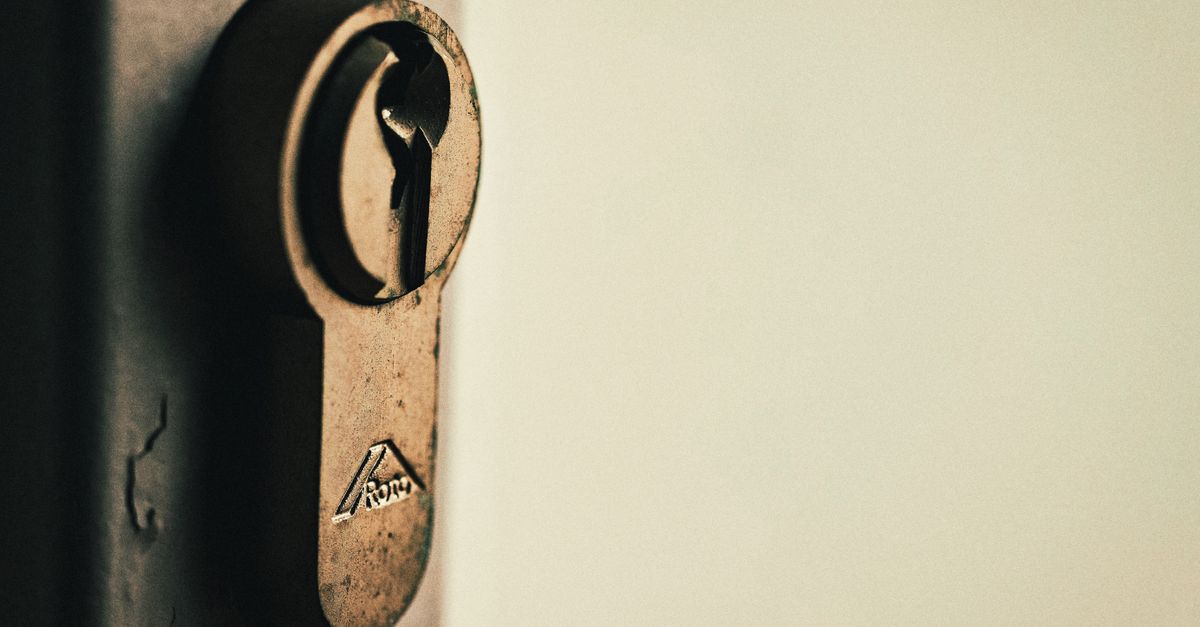
A mortise lock is a complete locking mechanism housed inside a rectangular pocket — the mortise — cut into the edge of a door. Unlike a cylindrical lock that sits in a simple bored hole, a mortise lock set integrates the latch, deadbolt, and sometimes a privacy or keyed function all in one steel case. That complexity is exactly why mortise hardware has been the default choice on commercial-grade doors, older homes, and high-traffic entryways for well over a century. Brands like Corbin Russwin mortise lock units became industry staples precisely because a well-built mortise mechanism can outlast the door it's installed in — when it's properly maintained.
The tradeoff is that the same complexity that makes mortise hardware so durable also means more components that can wear independently. The cylinder, the cam, the case springs, the trim rose, the strike plate alignment — each part ages on its own timeline. That's actually good news for homeowners: targeted repair is often possible in ways it simply isn't with cheaper, single-piece locks.
## Signs Your Mortise Lock Can Be Repaired Rather Than Replaced
The clearest indicator that a mortise lock is worth rebuilding is localized wear. If the problem is confined to one component — the key cylinder feels stiff, the thumb turn drags, or the latch bolt doesn't retract smoothly — a skilled locksmith can often address that specific part without touching the rest of the case. Cylinder rekeying is a classic example: if the lock body is solid but the keys have been lost, copied too many times, or passed between tenants or owners, a locksmith can rekey the cylinder so existing keys no longer work and a fresh key cuts take over. This is one of the most common mortise lock service calls, and it's far less disruptive than pulling the whole unit. Stiff or sluggish operation due to dried lubricant, debris, or minor corrosion is another strong candidate for repair. A professional cleaning and re-lubrication of the case internals — combined with a strike plate adjustment if the door has settled — frequently restores smooth function without any parts replacement at all.
Broken or weak case springs are also repairable in most standard mortise lock sets, provided the case itself isn't cracked and the spring seats haven't corroded through. If the trim — the handles, escutcheon plates, or thumb turn — is damaged but the internal mechanism is intact, swapping trim components while retaining the working case is usually the right move. The guiding principle: when the steel lock case is structurally sound and only one or two components are failing, repair wins on every practical measure.
## When Replacement Is the Smarter Call — Commercial Locksmith Perspective
There are four situations where even an experienced commercial locksmith will recommend full replacement over repair. First, a damaged or cracked lock case. Once the cast steel housing is compromised — from forced entry, years of door warping stress, or impact — the entire mechanism is weakened. Rebuilding around a fractured case creates a false sense of security. Second, a cylinder that has been picked or drilled. If a door knob lock or mortise cylinder has been compromised by an unauthorized entry attempt, the internal tolerances are often damaged in ways not visible to the naked eye. Rekeying a picked or drilled cylinder is not sufficient — the cylinder must be replaced, and if the cam or actuator inside the case was stressed in the process, the case itself may need evaluation too. Third, obsolete or discontinued hardware. Some older Corbin Russwin mortise lock models and comparable legacy units are no longer supported with replacement parts. When springs or cams are unavailable, a locksmith's only ethical option is to recommend a compatible modern replacement — ideally one that fits the existing mortise pocket so no new door prep is needed. Fourth, cumulative wear across multiple internal components. If the cylinder, springs, cam, and latch bolt all show significant wear simultaneously, the cost of sourcing and replacing each part approaches or exceeds the cost of a quality new unit. A straightforward assessment from your locksmith will tell you which side of that line you're on — and a reputable professional will give you that honest comparison before any work begins.
One scenario worth calling out specifically: if you've recently moved into a home near Fort Washington and don't know the full history of who has keys, combining a cylinder replacement or rekey with a full internal inspection is a smart baseline — not just for function but for peace of mind. That inspection will catch whether the rest of the mechanism is worth keeping or whether a new mortise lock set is the cleaner solution.
## The Professional Evaluation Process — and What Affects Your Quote
When a Fort Washington Locksmiths technician arrives for a mortise lock service call, the first step is always a hands-on diagnosis before any recommendation is made. We check the cylinder for wear and previous tampering, test the case springs, inspect the cam and actuator alignment, assess the door frame and strike plate for settlement issues that might be masking a lock problem, and evaluate the condition of the trim. That diagnostic picture determines whether we're talking about a rekey, a partial rebuild, or a full replacement — and we walk you through the findings in plain language before touching a tool. Several factors shape what your final quote will look like: the specific lock model and whether parts are readily available or need to be sourced, the complexity of the existing door prep (some older mortise pockets require custom fitting for modern hardware), the time of day for emergency calls, and travel distance within our service area. What doesn't change is our process — we confirm an exact price upfront, before any work begins, so there are no surprises on the invoice.
If you're weighing a mortise lock decision and want a professional opinion before committing either way, call (215) 240-4922. We answer 24/7, and for non-emergency assessments we can typically schedule a convenient arrival window the same day throughout Fort Washington and the surrounding communities.
## House Door Unlock, Car Door Unlock, and Beyond — Our Full Service Range Fort Washington Locksmiths
Mortise lock service is one part of a much broader set of skills our team brings to every call. Homeowners dealing with a house door unlock situation — locked out with no spare, broken key in cylinder, or a deadbolt that simply won't turn — get the same careful, ownership-verified approach we apply to every residential call. We confirm you have the right to access the property before any work begins; this is standard practice, not an inconvenience. For drivers needing a car door unlock, our mobile units carry the equipment to handle modern vehicles without damage to seals or trim, and we work with a wide range of makes and models. Beyond those two core emergency scenarios, our services include: residential lock installation and replacement, commercial lock installation and replacement, mortise lock rebuild and cylinder replacement, lock rekeying for homes and businesses, high-security deadbolt installation, keypad door lock programming and code changes, master key system design and implementation, key duplication for standard and restricted keyways, broken key extraction from cylinders and ignitions, car key replacement for lost or damaged keys, transponder key programming, laser-cut and high-security car key cutting, smart lock installation and troubleshooting, access control system installation, door closer and hardware adjustment, strike plate reinforcement and repair, garage door lock service, padlock and hasp installation, mailbox lock replacement, cabinet and file cabinet lock service, safe opening and combination changes, peephole installation, door frame and jamb reinforcement, lock-out service for storage units, and after-hours emergency locksmith response 24 hours a day, 7 days a week. Every service is performed by trained, experienced technicians who carry the parts most commonly needed for same-visit completion.
## Why Choose Fort Washington Locksmiths — An Honest Answer
The Fort Washington area has no shortage of options when something goes wrong with a lock, but the reasons our customers call back — and refer neighbors — come down to specifics, not slogans. We are a local mobile operation, which means our technicians are already on the roads between Dresher, Ambler, and Lansdale rather than dispatching from a distant hub. That proximity translates into genuine response times, not optimistic estimates. We're insured, and every technician on our team has been trained in both traditional and modern lock systems — from century-old mortise hardware to Bluetooth-enabled smart locks. We verify ownership or authorization on every call, which protects both our customers and the communities we serve. We don't pressure repair versus replacement; we diagnose honestly and present options with clear pricing before the work starts. And because we operate 24/7, an emergency at 2 a.m. on a Tuesday gets the same skilled response as a scheduled afternoon appointment. If you have a mortise lock question, a lockout, a car key situation, or anything else security-related, call (215) 240-4922 — we answer every time.
## Emergency Locksmith Response Times and What to Expect
One of the most common questions we hear — especially from first-time callers dealing with a stressful lockout — is how long an emergency locksmith will take to arrive. Honest answer: it depends on traffic, current call volume, and your exact location within our service area. What we can say is that our mobile technicians are stationed throughout the Fort Washington region, and for most residential and vehicle lockouts we aim to be on-site well within the hour. When you call, we'll give you a real estimated arrival window based on actual conditions — not a scripted promise. Once we arrive, a standard lockout or rekey typically takes 20 to 45 minutes depending on the lock type and access complexity. Mortise lock rebuilds or full replacements take longer because the hardware warrants careful fitting, but we'll give you a time estimate at the start of the job. If you're waiting outside in a difficult situation — weather, late hour, unfamiliar area — let us know when you call and we'll keep you updated on our approach.
Frequently asked questions
What proof do I need for a locksmith to unlock my door?+
For a house door unlock, we ask for a government-issued photo ID showing your name matched to the service address, or a lease or ownership document if the ID address doesn't match. For a car door unlock, a driver's license matching the vehicle registration is standard. We verify authorization on every call — this is a normal and necessary step that any responsible locksmith will follow, and it protects you as much as it protects your neighbors.
How long do emergency locksmiths take to arrive in the Fort Washington area?+
Arrival times vary by traffic, time of day, and current call volume, but our technicians are mobile throughout the Fort Washington area — covering communities along Route 309, Bethlehem Pike, and neighboring townships. When you call (215) 240-4922, we give you a real estimated arrival window based on actual conditions. Most lockout calls in our primary service area are reached well within the hour.
How much does a locksmith cost in PA — and what affects the price?+
There is no single flat rate, and any quote you see without a diagnosis should be treated with caution. The factors that shape a final price include the type of lock or vehicle involved, whether parts need to be ordered or are available on the truck, the time of day (after-hours and emergency calls involve different logistics), and travel distance. What we commit to is an exact, confirmed price before any work begins — so you know the full cost upfront and can make a clear decision.
Can I rekey a mortise lock myself, or does it require a locksmith?+
Rekeying a mortise cylinder is more technically involved than rekeying a standard cylindrical lock. The cylinder must typically be removed from the case, disassembled, repinned to match a new key cut, and reassembled — all while ensuring the cam alignment is maintained so the lock operates correctly after reassembly. It's a job that a trained locksmith completes routinely and accurately in one visit. Attempting it without the right tools and familiarity with mortise hardware risks damaging the cylinder or misaligning the internal cam, which can leave the lock inoperable or — worse — appearing to work but providing reduced security.